
Value Delivered Through Strategy & Experience
Whether it's measuring value, optimizing value, or realizing value, our process follows the same methodology:
- Start with an honest and unbiased assessment of the situation
Every project begins with a comprehensive evaluation of the business as it exists today: financially, operationally, and strategically. We analyze historical performance, identify key value drivers and gaps, and benchmark the company against industry standards. This objective review highlights strengths, uncovers risks, and establishes a factual foundation for decision-making. By understanding where value is created, we equip owners with clarity and confidence as they plan their next steps.
- Identify strategic options
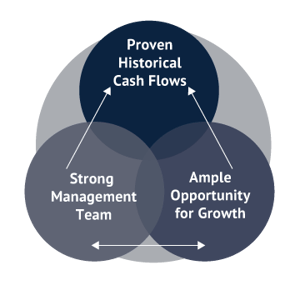
No two businesses share the same goals, capabilities, or challenges. Once we understand the current state, we develop a tailored strategy designed to accelerate value, improve performance, or prepare the business for transition. This plan prioritizes opportunities with the highest return, aligns with the owner's personal and financial priorities, and integrates the Breneman Trilogy of Value: historical cash flow strength, management depth, and growth potential. The result is a roadmap that is practical, actionable, and designed to increase transferable business value.
- Outline solutions
Our clients always know what to expect, when to expect it, and how progress will be measured. We present a structured plan with clearly defined deliverables. Each solution ties directly to the business’s value drivers and long-term objectives. This level of transparency ensures alignment, reduces uncertainty, and transforms strategy into a tangible, measurable set of outcomes.
- Get busy and deliver value
With a focused plan in place, we move from strategy to execution. We work alongside owners and management teams to implement initiatives, overcome obstacles, and maintain accountability throughout the process. Whether improving financial performance, strengthening leadership capability, or preparing the company for a future sale, our involvement is hands-on and results-oriented. The ultimate goal is simple: deliver meaningful, measurable improvements in business value.
Frequently Asked Questions
Clear Answers to the Questions Business Owners Ask Most.
What factors most influence the value of my business?
Business value is driven primarily by three areas: the strength of your historical cash flows, the depth and capability of your management team, and the opportunities your business has for future growth. Buyers also consider customer concentration, operational processes, industry trends, and how dependent the company is on the owner. Understanding these value drivers, known as the Breneman Trilogy of Value™, provides a clear roadmap for improving what your business is worth.
How long does it take to complete a business assessment or valuation?
Most business assessments and valuations can be completed within 3–6 weeks, depending on the complexity of the business and the availability of financial information. For owners preparing for a potential sale or strategic planning process, we often recommend beginning the assessment early to allow time for improvements that can materially increase value.
How do I know if my business is ready to sell or transition?
A business is generally considered “exit-ready” when it has strong, sustainable cash flows, a capable management team, documented processes, and a clear growth story. However, your personal readiness, financially and emotionally, is just as important. Our assessments evaluate both business and owner readiness to help determine the right timing and strategy for a successful exit.
For more information on how to time the sale of your business, read our recent article: How to Know if it is the Right Time to Sell Your Business
What can I do now to increase the value of my business?
Value can be increased by improving profitability, strengthening the leadership team, reducing owner dependence, diversifying revenue, and identifying near-term growth initiatives. Even small operational changes can have an outsized impact on valuation. Our value acceleration services identify specific, actionable steps to enhance your transferable business value.
We have also written several pieces on the drivers of business value. Learn more:
What is transferable value and why does it matter?
Transferable value is the portion of your business’s worth that can survive a transition to a new owner. If the business relies heavily on the owner or lacks formalized processes, its transferable value may be significantly reduced, even if it generates strong revenue. Enhancing transferable value ensures that the business remains viable, sustainable, and attractive during a sale or transition.
How far in advance should I begin preparing for a sale?
Ideally, owners should begin preparing 2–5 years before a planned exit. This timeline allows for meaningful improvements in cash flow, systems, team development, and strategic positioning. However, it is never too early to start planning.
This checklist helps business owners understand what is needed to do in advance of deciding to sell their business: Preparing for Sale Checklist
What is the difference between a business valuation and a business assessment?
A business valuation assigns a financial value to your company based on its performance, risk, and market conditions. A business assessment goes further by evaluating operational strengths, value drivers, management capability, and growth opportunities. Assessments are often used to guide strategic improvements, while valuations are used for transactions, planning, and financial decision-making.
Does a valuation change depending on the type of buyer?
Yes. Strategic buyers, financial buyers, and internal successors often view value differently and may be willing to pay different multiples. For example, a strategic buyer may pay more if your business fills a gap in their operations or customer base. Understanding buyer types helps owners position their business for maximum value.
Can my business still be sold if I’m heavily involved in daily operations?
Yes, but it may reduce your valuation or limit the pool of buyers. Businesses that depend heavily on the owner often face transition risk. Strengthening your management team, delegating responsibilities, and documenting processes are essential steps to improve both transferability and value.
 1. Proven Historical Cash Flows